Should We Think Again About Icing Injuries?
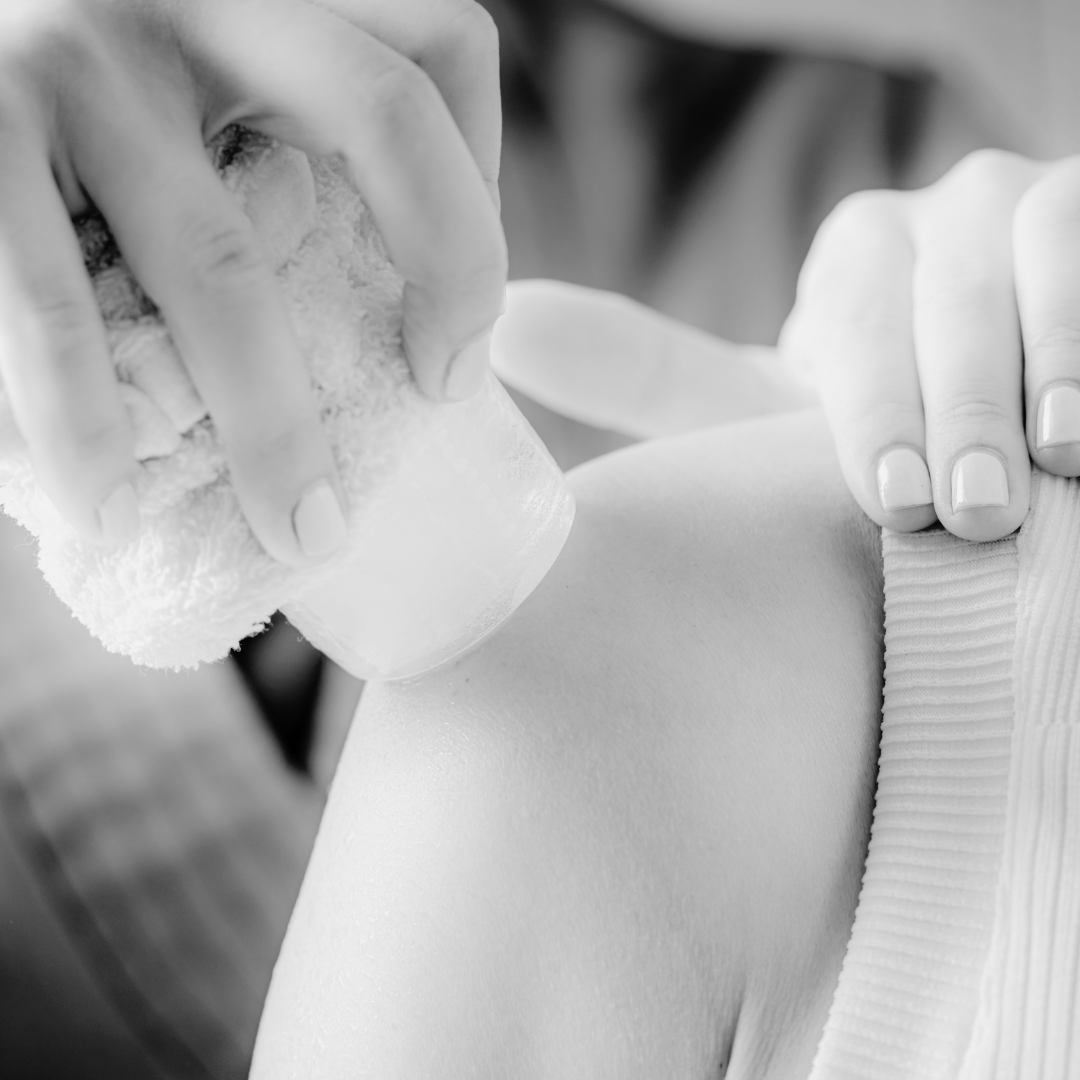
Why PEACE & LOVE Is Replacing RICE
For as long as most of us can remember, spraining an ankle came with an instant, involuntary reflex: reach for the frozen peas. RICE, Rest, Ice, Compression, Elevation, has been the gospel of gym bags and first-aid manuals since the late 1970s. It's simple, it rhymes, and it fits neatly on a poster next to the defibrillator.
There's just one problem: the science has moved on, and RICE hasn't moved with it.
Enter PEACE & LOVE. A catchier, kinder, and considerably more evidence-based acronym that's been quietly taking over sports medicine clinics since 2019. It sounds like something you'd find on a friendship bracelet, but the physiology behind it is solid.
Why RICE Is Outdated
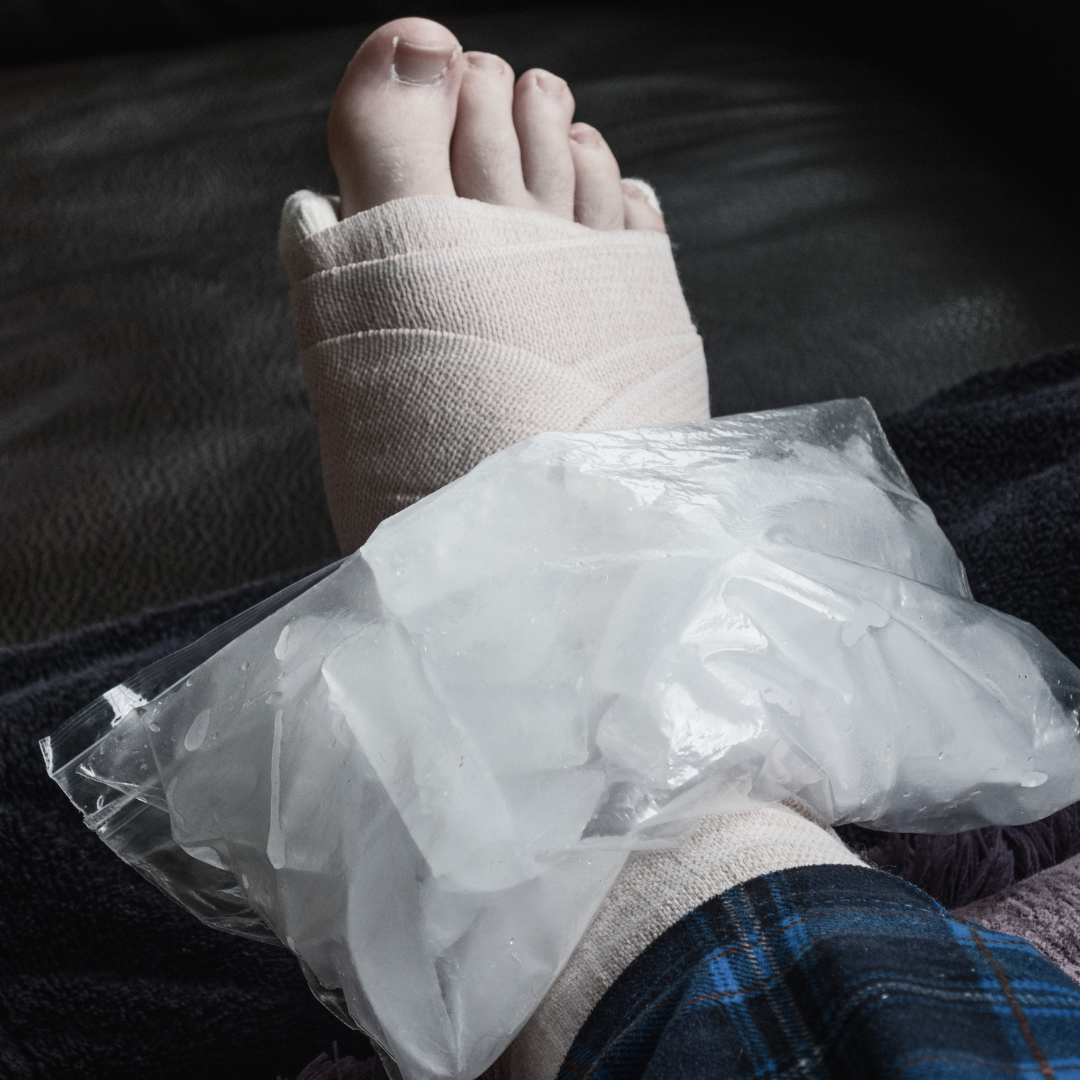
RICE is now an outdated treatment method.
RICE was never actually born from rigorous trials, it was popularized in a 1978 sports medicine book, and it stuck around mostly because it was memorable, not because it was proven. Decades later, researchers went looking for the evidence behind it and came back a little empty-handed: a wave of reviews has pointed out that support for RICE, and especially for icing, is thin, inconsistent, or missing entirely.
The bigger issue is philosophical. RICE treats inflammation like an intruder to be evicted as fast as possible. But your body doesn't agree. Swelling, warmth, and that first wave of post-injury goo are the opening act of tissue repair — a biological cleanup and rebuilding crew arriving on the scene. Numb it, ice it, and shrink it too aggressively, and you may be sending that crew home early.
PEACE: What to Do in the First Few Days After an Injury
PEACE guides the acute phase, roughly the first 1 to 3 days after injury:
Protect: Limit movement that causes pain, but don't go full mummy. Complete immobilization is now seen as counterproductive; prolonged rest weakens tissue.
Elevate: Raise the injured area above heart level to encourage fluid drainage. Evidence for this one is admittedly modest, but it's low-risk, so it stays in the lineup.
Avoid anti-inflammatories: This is the plot twist. NSAIDs and ice both aim to dampen inflammation, but inflammation is doing useful work early on. Suppress it too hard and you may slow long-term healing.
Compress: Taping, bandages, or compression garments help control swelling.
Educate: Perhaps the most underrated letter: your physio's job here is to steer you toward realistic expectations and active recovery, rather than a permanent diet of rest and passive treatments like ultrasound or electrotherapy.
LOVE: How to Recover in the Weeks That Follow
Once the angry-red-and-swollen stage passes, the plan shifts to LOVE, which is really a roadmap for the following weeks to months:
Load: Gradually reintroduce mechanical stress. Movement isn't the enemy of healing tissue; it's practically a nutrient.
Optimism: Your mindset genuinely predicts your outcome. Catastrophizing and fear-avoidance are linked with slower, worse recoveries.
Vascularization: Cardiovascular exercise gets blood — and everything blood carries — moving to the injury site.
Exercise: Structured, pain-guided exercise to restore mobility, strength, and proprioception, and to reduce the odds of re-injury.
Should You Ice a Sprained Ankle?
This is the part that upsets people the most, understandably, because ice feels good — and asking someone to give up something that feels good requires evidence, not vibes.
The concern isn't that ice is dangerous. It's that its main proven benefit is short-term pain relief, while animal research has suggested that cooling injured muscle tissue can blunt the very processes — inflammation, revascularization, and new muscle fiber formation — that drive repair. In other words, ice may be trading a faster-healing tissue for a more comfortable afternoon.
To be fair, this remains genuinely contested territory. Not everyone in sports medicine has thrown their ice packs in the bin. Some researchers argue that minor injuries may do fine with the more conservative PEACE approach, while moderate-to-severe injuries might still benefit from a more involved, monitored care plan — and that we shouldn't discard ice's pain-control benefits while the long-term healing question remains unsettled. The honest, current answer is: the debate hasn't landed on a clean, unanimous verdict, and more high-quality human trials are needed before anyone should declare a permanent winner.
The Bottom Line
RICE was a decent first attempt at organizing chaos — "something bad happened to my ankle, what do I do in the next ten minutes." PEACE & LOVE is a more complete answer to a better question: "what does my body actually need over the next ten weeks?"
So next time you roll an ankle, maybe skip the reflexive dash to the freezer. Protect it, keep it moving gently, resist the urge to smother it in ibuprofen, and — when the swelling calms down — start loading it back up with patience and a decent attitude. Your tissues, as it turns out, were never asking for RICE. They wanted PEACE & LOVE all along.
Rolled an ankle, pulled a muscle, or just not sure how serious it is? Book in with us at Grey Lynn Physio and we'll assess it properly, talk you through what's happening, and build a recovery plan that actually fits your life. We're right here in Grey Lynn, Auckland — [book an appointment online] or give us a call.
Frequently Asked Questions
Is ice bad for injuries?
Ice isn't dangerous, and it's still a reasonable option for short-term pain relief. The concern is that heavy or prolonged icing may slow the natural inflammatory process your body uses to heal. If pain is manageable without it, current guidance leans toward letting your body do its thing.
How long should I rest a sprained ankle?
Less than you might think. Complete rest beyond the first day or two can actually weaken the tissue. The goal is to protect the ankle from painful movement early on, then gradually reintroduce gentle, pain-guided movement — usually within a few days. Every sprain is different, though, which is where a proper assessment helps.
When should I see a physio about an injury?
If you can't put weight on it, the swelling is severe, it's not improving after a few days, or you're just not sure what you're dealing with — get it looked at. Early guidance often means a faster recovery and a much lower chance of the same injury coming back. You can [book an appointment with Grey Lynn Physio here].
PLEASE NOTE: This article is for general educational purposes and isn't a substitute for individualized advice from a qualified healthcare professional, especially for moderate-to-severe injuries.
References
Dubois B, Esculier JF. Soft-tissue injuries simply need PEACE and LOVE. British Journal of Sports Medicine. 2020;54(2):72–73.
Bleakley CM, Glasgow P, MacAuley DC. PRICE needs updating, should we call the POLICE? British Journal of Sports Medicine. 2012;46:220–221.
Fousekis K, Tsepis E. Minor Soft Tissue Injuries may need PEACE in the Acute Phase, but Moderate and Severe Injuries Require CARE. Journal of Sports Science & Medicine. 2021;20(4):799.
Singh DP, Barani Lonbani Z, Woodruff MA, Parker TJ, Steck R, Peake JM. Effects of topical icing on inflammation, angiogenesis, revascularization, and myofiber regeneration in skeletal muscle following contusion injury. Frontiers in Physiology. 2017;8:93.
Doherty C, Bleakley C, Delahunt E, Holden S. Treatment and prevention of acute and recurrent ankle sprain: an overview of systematic reviews with meta-analysis. British Journal of Sports Medicine.